
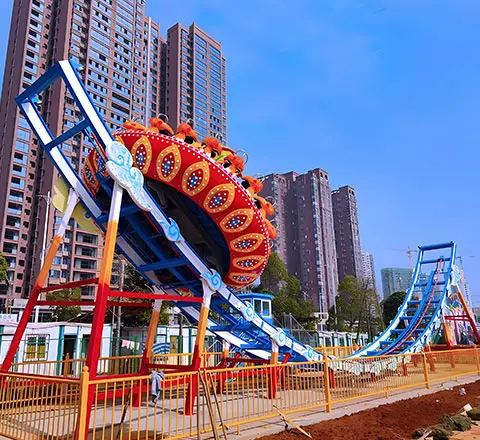


Proper Tagada ride maintenance is the backbone of safe operation, smooth rider experiences, and long-term profitability. Unlike standard flat rides, a disco Tagada subjects its mechanics to intense dynamic loads—combining rapid rotation, hydraulic bouncing, and unpredictable passenger movement. Without proactive inspections, minor oversights like poor lubrication, unstable sensor feedback, or worn padding can quickly escalate into costly downtime or severe safety risks.
Whether you manage a bustling outdoor carnival, a high-traffic tourist attraction, or an indoor FEC, this guide provides a clear maintenance blueprint for your Crazy Dance Disco ride. Our operational philosophy is simple: inspect daily, maintain strictly on schedule, log every service, and halt operations instantly at the first sign of abnormal vibration, noise, or electrical faults.
(Still in the planning and budgeting phase? Compare commercial models on our Tagada rides for sale page before finalizing your park’s layout.)

Why Tagada Ride Maintenance Matters
A music turntable ride operates under intense, shifting conditions. As the main platform rotates and tilts to the beat of the music, the structural frame absorbs the constantly shifting weight of the riders. This makes servicing this attraction vastly different from maintaining a static playground device or a slow-moving train ride.
A rigorous maintenance protocol helps operators:
- Drastically reduce unexpected downtime during peak seasons.
- Extend the service life of powertrains, slewing rings, and structural welds.
- Keep the bouncing and spinning motions smooth and exciting.
- Ensure that handrails, soft padding, and safety gates remain intact.
- Detect early warning signs of electrical or sensor failure.
- Protect the park’s safety record and reputation.
Mechanical failures rarely happen overnight. They often begin as subtle warning signs: a slight metallic grinding, a sluggish hydraulic lift, flickering LED panels, or a delayed emergency stop response.
To better understand the mechanical principles behind these potential issues, read our engineering guide on how a disco Tagada ride works.
The Ultimate Tagada Ride Maintenance Checklist
| Check Item | Daily | Weekly | Monthly | Annual |
| Platform surface & edge wear | ✅ | |||
| Safety bar integrity & load test | ✅ | |||
| Center fall-zone padding condition | ✅ | |||
| Eccentric mechanism oil seal | ✅ | |||
| Drive motor carbon brush wear | ✅ | |||
| Electrical cabinet moisture check | ✅ | |||
| Platform tilt angle calibration | ✅ | |||
| Anti-corrosion coating (coastal) | ✅ | |||
| Structural weld NDT inspection | ✅ |
Daily Tagada Ride Maintenance Checklist
Your daily inspection is the first and most critical line of defense. It must be completed by the ride operator or technical staff before the attraction opens to the public.
| Daily Check Item | What to Inspect | Why It Matters |
| Platform Surface | Dirt, water, oil, loose objects, or slippery areas. | Prevents passenger slipping and protects mechanisms from foreign objects. |
| Handrails | Looseness, deformation, or damaged grip covers. | Riders rely entirely on these bars for stability during bouncing. |
| Soft Padding | Cracks, tears, exposed hard edges, or missing foam. | Protects riders from impact injuries. |
| Safety Fence | Loose panels, broken gate locks, or blocked exits. | Safely separates active riders from spectators. |
| Control Panel | Buttons, switches, indicators, and display screens. | Ensures the operator has absolute control over the ride modes. |
| Emergency Stop | Trigger the E-stop during a test run. | Critical for immediate response to unsafe passenger behavior. |
| Lighting & Audio | Functionality of LED strips and sound clarity. | Maintains the ride’s immersive atmosphere and checks for electrical shorts. |
| Motor Sound | Listen for grinding, humming, or excessive vibration. | Early detection of gear or bearing wear. |
| Empty-Load Run | Run a full cycle without passengers. | Confirms overall operational smoothness before boarding guests. |
All daily checks should be signed off in an official logbook. For broader facility-wide inspection protocols, refer to our comprehensive amusement park ride maintenance guide.

Weekly and Monthly Maintenance Schedules
While daily checks focus on visible safety, weekly and monthly schedules dive deeper into the mechanical and electrical integrity of the crazy dance disco ride. These tasks should be performed by trained technical staff.
Weekly Mechanical & Electrical Checks
- Fasteners & Bolts: High-frequency vibration will eventually loosen connections. Check platform bolts, base frame connections, and moving joints. Tighten them strictly according to the manufacturer’s torque specifications—over-tightening can strip threads.
- Lubrication Audit: Check the grease levels on the slewing ring, main bearing, and gear system. Poor lubrication leads to excess heat and rapid wear. Always wipe away old, contaminated grease before applying fresh lubricant.
- Electrical Integrity: Inspect cable insulation, grounding wires, and aviation connectors. Dust and moisture are the enemies of a stable control cabinet, especially for outdoor amusement park rides.
Monthly & Seasonal Overhauls
Monthly maintenance requires a more invasive look at the attraction’s core systems.
- Structural Welds: Inspect the main load-bearing welds for micro-cracks (NDT testing is recommended annually).
- Hydraulic/Pneumatic Systems: Check cylinders for pressure loss or oil leaks.
- Sensor Calibration: Test position feedback sensors to ensure the ride bounces precisely in sync with the program.
Seasonal Adjustments: Before the peak summer season or after a harsh winter, perform a full empty-load test, update anti-freeze measures, and check the ventilation fans inside the control cabinets to prevent overheating.

Key Components of a Tagada Ride That Require Specialized Care
A smart maintenance plan targets the most vulnerable components of the rotating turntable disco ride.
Slewing Ring and Main Bearing
This massive bearing supports the entire weight and rotation of the platform. Listen carefully for grinding noises and monitor the temperature during operation. Excessive heat or vibration is a massive red flag indicating alignment issues or grease contamination.
Motor, Reducer, and Powertrain
The drive system dictates whether the ride operates smoothly. Check the reducer for oil leaks, verify coupling alignment, and ensure the motor has adequate ventilation. A hot motor or a strong burning smell means the ride must be halted immediately.
Handrails and Soft Padding
Because riders are actively moving and bouncing, the interior cabin padding absorbs significant punishment. Check for torn materials and loose handrail bolts daily. Because these physical constraints dictate who can safely ride, keeping them in perfect condition is critical. If you are unsure about height and age restrictions, see our article on what age is appropriate for a Tagada ride
Cleaning and Disinfection Guidelines
Hygiene is part of preventive care, especially for high-contact amusement park attractions.
- Fiberglass and Plastics: Use mild, neutral soapy water. Harsh corrosive chemicals will strip the paint and degrade the fiberglass gel coat.
- Soft Padding: Wipe down with a damp cloth and mild disinfectant. If the foam padding hardens or cracks, it must be replaced—cleaning is not enough.
- Electrical Parts: Never wash control cabinets or motor housings with direct water. Power down the equipment completely, wipe panels with a slightly damp cloth, and ensure everything is 100% dry before reconnecting to the grid.
Common Tagada Ride Problems and Troubleshooting
Use this quick-reference table to identify common fairground equipment failures and their potential causes.
| Problem | Possible Cause | What to Check |
| Abnormal Vibration | Uneven foundation, worn bearing, loose bolts, poor coupling alignment. | Base anchors, slewing ring, powertrain alignment. |
| Grinding Noise | Lack of lubrication, failing reducer, worn bearings. | Grease points, motor, gear reducer. |
| Weak Bouncing | Hydraulic pressure loss, air leak, worn cylinder seals. | Pump station, hydraulic cylinders, pipe joints. |
| Stuttering Motion | Sensor misalignment, signal interference, drive system error. | Position sensors, signal cables, control cabinet. |
| E-Stop Failure | Wiring fault, damaged physical button, circuit error. | E-stop circuit, button contacts, PLC reset protocol. |
| Flickering LEDs | Loose wiring, unstable voltage, moisture in connectors. | Power supply, waterproof seals, LED strips. |
If a specific error code or mechanical stutter repeatedly occurs, halt operations immediately.

Tagada Disco Maintenance Costs: What Affects Your Budget?
When budgeting for a new attraction, operators must look beyond the initial purchase price. The total cost of ownership is influenced by several factors:
- Ride Capacity: A giant 40-seat tagada will inherently require more lubrication, higher electricity consumption, and more frequent pad replacements than a compact 16-seat unit.
- Operating Environment: Coastal or humid locations demand rigorous anti-corrosion treatments and sealed electrical components, increasing routine upkeep costs compared to indoor FECs.
- Component Quality: Premium motors, industrial-grade sensors, and high-density FRP (fiberglass) cost slightly more upfront but drastically reduce long-term repair frequency.
If you are estimating the full investment required for your park, our article on how much is a Tagada ride explains price ranges, capacity differences, and ROI planning in detail.
Essential Spare Parts Inventory
To prevent minor faults from causing days of lost revenue, keep these critical spare parts on-site:
- Electrical: LED bulbs/strips, start/stop buttons, E-stop buttons, fuses, relays, and limit switches.
- Mechanical: High-strength bolts, hydraulic/pneumatic seals, and industrial lubricating grease.
- Passenger Area: Extra handrail covers and replacement soft padding foam.
How to Reduce Long-Term Maintenance Costs
- Strict Logbooks: Documenting daily and weekly checks helps spot recurring issues before they cause a breakdown.
- Operator Training: An operator who knows how to balance the load, utilize the emergency stop correctly, and avoid aggressive manual overriding will save the drive system from premature wear.
- Choose the Right Manufacturer: High-quality equipment comes with precise technical drawings, clear manuals, and reliable spare parts support.
To ensure you partner with a factory that provides exceptional post-purchase support, our guide on top Tagada ride manufacturers explains exactly what buyers should look for during the procurement phase. For a full buying framework, you can also read our guide on how to choose a Tagada ride.
How Carnee Rides Supports Your Operations
Carnee Rides provides custom amusement ride solutions tailored for amusement parks, funfairs, carnivals, night markets, and indoor entertainment centers. We don’t just sell equipment; we deliver long-term operational reliability.
We support our global partners with:
- Comprehensive operation and maintenance manuals.
- Detailed electrical and foundation diagrams.
- Lifetime spare parts support and troubleshooting guidance.
- Factory-direct installation and commissioning support.
Whether you need a mobile trailer-mounted tagada for a traveling festival or a permanent custom-themed turntable disco for a major theme park, our team ensures your investment is protected. If you are preparing for a new installation, our Tagada ride installation guide walks you through site prep, power supply, and assembly.
For broader questions about models, safety, and business decisions, visit our Disco Tagada ride ultimate FAQ guide.


