
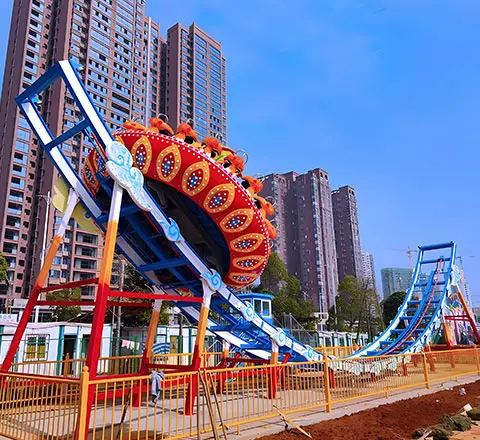


When evaluating amusement rides, many operators focus primarily on the purchase price. However, over the full lifecycle of a ride, amusement ride maintenance cost often has a greater impact on safety, operational stability, and long-term return on investment.
For amusement park operators, investors, and international buyers, understanding the cost of maintaining amusement rides is essential for realistic budgeting and risk control. Drawing on more than 20 years of amusement equipment manufacturing and global project experience, this article explains what maintenance costs include, how much they typically are, and how operators can effectively reduce them.


What Is Included in the Amusement Ride Cost For Maintenance?
Amusement ride maintenance cost includes all expenses required to keep rides operating safely, reliably, and in compliance with applicable regulations throughout their service life.
Routine Inspection and Daily Maintenance
Routine amusement park ride maintenance forms the basis of safe operation and usually includes:
- Daily pre-opening visual inspections
- Weekly and monthly mechanical checks
- Lubrication, tightening, and alignment
- Cleaning of mechanical and electrical components
These tasks are relatively low in cost but critical for preventing major failures.
Spare Parts and Wear Components
All amusement rides contain consumable or wear parts, such as:
- Bearings and bushings
- Brake pads and friction components
- Hydraulic seals and hoses
- Sensors, switches, and contactors
The frequency and cost of replacement depend heavily on design standardization and component quality.
Electrical and Control System Maintenance
Modern theme park rides rely on electrical and control systems, including PLC cabinets, motors, drives, and safety sensors. Poor-quality wiring or non-standard components often increase troubleshooting time and long-term maintenance expenses.
Safety Inspection and Certification
Most countries require regular inspections to ensure compliance with safety regulations. These may involve:
- Annual safety inspections
- Third-party testing and certification fees
- Government or regulatory approval costs
These expenses vary by region but are mandatory for legal operation.


Average Amusement Park Ride Maintenance Cost per Year
There is no single fixed number for average amusement ride maintenance cost, but industry practice commonly estimates annual maintenance as a percentage of the equipment value.
Typical Amusement Equipment Annual Maintenance Cost Ranges
| Amusement Ride Category | Examples | Annual Maintenance Cost |
| Small amusement rides | Carousel rides, bumper cars, kiddie rides | 3%–5% of equipment value |
| Medium amusement rides | Pirate ship ride, disco ride, self-control plane | 5%–8% of equipment value |
| Large amusement rides | Ferris wheel, pendulum ride, roller coaster | 8%–12% of equipment value |
These ranges may increase for high-frequency operation, harsh environments, or limited technical support.
Amusement Ride Maintenance Schedule and Service Cycle
Maintenance frequency depends on ride type, usage intensity, and environmental conditions. A clear maintenance schedule helps operators control costs and reduce unexpected downtime.
Typical Maintenance Cycle by Amusement Ride Types
| Maintenance Level | Small Rides | Medium Rides | Large Rides |
| Daily inspection | ✔️ | ✔️ | ✔️ |
| Monthly routine maintenance | Every 2–3 months | Monthly | Monthly |
| Comprehensive inspection | Annually | Every 6–12 months | Every 3–6 months |
| Major overhaul | As needed | Every 3–5 years | Every 3–5 years |
High operating frequency or harsh environments (coastal, high humidity, dusty areas) may require shorter intervals.
Which Amusement Rides Cost More to Maintain?
Not all fairground rides require the same level of maintenance. Several factors significantly affect amusement ride cost for maintenance.
Mechanical Complexity
Amusement Park Rides with complex motion systems, high speeds, or multiple degrees of movement generally require:
- More frequent inspections
- Higher-skilled technicians
- Larger spare parts inventories
Roller coasters and large pendulum rides typically fall into this category.
Operating Frequency and Load
Rides operating continuously during peak seasons experience faster wear, leading to shorter maintenance cycles and higher annual costs.
Environmental Conditions
Environmental exposure can significantly increase maintenance expenses:
- Coastal areas: corrosion from salt air
- High humidity: accelerated rust and electrical issues
- Dusty or sandy regions: increased wear of moving components
Proper material selection and protective design are essential in reducing these effects.
Emergency Maintenance Response Time for Amusement Rides
Emergency repairs represent a critical but often underestimated part of maintenance cost. Response time directly affects downtime and revenue loss.
Typical Industry Response Standards
While exact requirements vary by contract and region, common industry practices include:
- Initial response: within 4 hours after fault notification
- Technical support (remote): immediate troubleshooting guidance
- On-site support: within 24–48 hours when required
- Problem resolution: as quickly as possible depending on fault severity and parts availability
For overseas projects, clear documentation, remote diagnostics, and readily available spare parts are essential to minimize downtime.
Hidden Maintenance Costs Many Operators Overlook
Downtime and Revenue Loss
When an amusement ride is out of service:
- Ticket revenue is lost
- Visitor satisfaction decreases
- Brand reputation may be affected
In peak seasons, amusement park ride downtime costs can exceed direct repair expenses.
Poor Design and Manufacturing Quality
Low initial amusement ride manufacturing quality often leads to:
- Frequent breakdowns
- Difficult access for maintenance
- Non-standard or hard-to-source parts
These factors dramatically increase long-term maintenance costs, even if the initial amusement ride purchase price is lower.


How to Reduce Amusement Ride Maintenance Costs
Reducing the price of amusement ride maintenancerequires both strategic decisions and practical execution.
Choose an Experienced Amusement Park Ride Manufacturer
Maintenance costs are largely determined during the design stage. A reliable amusement equipment manufacturer focuses on:
- Modular and maintenance-friendly structures
- Standardized components
- Clear technical documentation
Implement Preventive Maintenance
Preventive maintenance is far more cost-effective than emergency repairs. A structured plan helps:
- Detect wear early
- Avoid major failures
- Extend equipment lifespan
Use High-Quality Materials and Components
Although high-quality amusement ride components increase initial investment, they significantly reduce:
- Failure frequency
- Replacement costs
- Long-term operational risks
How Carnee Rides Helps Lower Long-Term Maintenance Costs
As a professional amusement ride manufacturer with more than 20 years of experience, Carnee Rides designs amusement equipment with long-term operation and maintenance efficiency in mind.
- Engineering-oriented, maintenance-friendly design
- International-standard electrical and mechanical components
- Standardized spare parts and clear manuals
- Global after-sales and technical support for overseas theme park projects
With over 2,000 successful case installations worldwide, Carnee Rides helps operators reduce downtime and maintenance uncertainty.
Frequently Asked Questions About Amusement Ride Cost For Maintenance
Get a Low-Maintenance Amusement Ride Solution
Understanding amusement ride maintenance cost helps operators make smarter investment decisions and reduce long-term risks. Choosing the right equipment and manufacturer is the most effective way to control maintenance expenses over time.
If you are planning a new project or upgrading existing rides, professional guidance can help you select solutions with lower maintenance cost and higher operational reliability.


