
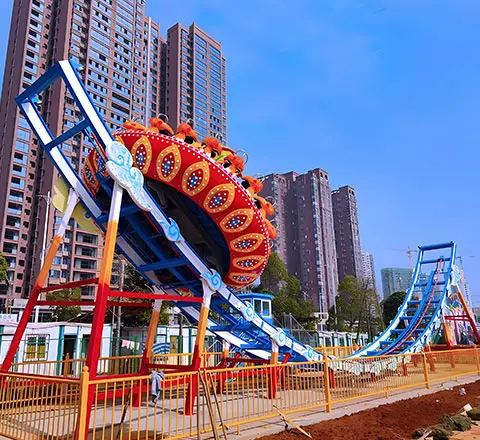


Building a real-world theme park or amusement park is far more complex than simply purchasing a few rides. It is a long-term, systematic project that combines market strategy, land planning, attraction design, regulatory compliance, construction execution, and ongoing operations.
Whether you are an investor, developer, or first-time entrant into the amusement industry, understanding how to make a theme park requires both creative vision and realistic planning. This guide walks through the essential steps involved in developing a successful theme park—from early concept to sustainable operation—while highlighting practical lessons drawn from real-world projects around the globe.

Step 1: Define the Park Concept and Positioning
Every successful theme park begins with a clear concept. This concept determines not only the visual theme but also the target audience, ride selection, budget structure, and long-term development direction.
Key questions to define early:
- Is the project a big theme park, outdoor amusement park, unpowered amusement park, water park, or indoor playground?
- Who is the primary audience: families, children, teenagers, or tourists?
- Will the park rely on an IP, cultural theme, or original concept?
A strong concept provides consistency across theme park layout design, attraction selection, marketing strategy, and guest experience.
Step 2: Conduct Market Research and Feasibility Analysis
Market research is the foundation of every viable park project. Without it, even well-designed theme parks risk failing due to insufficient demand.
A proper feasibility study typically evaluates:
- Local population size and demographics
- Tourism flow and seasonality
- Competing attractions in the region
- Expected attendance and spending levels
- Ticket pricing and revenue projections
This stage helps investors understand not only whether a theme park can succeed, but what scale and format are appropriate for the local market.
Step 3: Choose the Right Location and Land Strategy
Why Land and Zoning Matter More Than Most Investors Expect
Land selection is often the most underestimated—and irreversible—decision in theme park development. In reality, land cost, zoning regulations, and long-term expansion potential frequently become the biggest barriers to success.
Well-known theme park examples illustrate this clearly:
- Disneyland (Anaheim) benefited from relatively low-cost land during its early development, but later faced expansion constraints as surrounding land values surged.
- Walt Disney World (Orlando) took a different approach by acquiring vast land reserves upfront, securing long-term control over expansion and the environment.
- Some regional parks have struggled because zoning laws limited how much of their owned land could actually be developed.
When selecting a site, investors should consider:
- Accessibility (highways, public transport, tourist routes)
- Land conditions (soil stability, drainage, flood risk)
- Infrastructure availability (power, water, sewage)
- Zoning and permitting feasibility
- Long-term development and expansion flexibility
A location that works today but restricts growth tomorrow can severely limit the theme park’s future value.
Step 4: Budget Planning and Cost Structure
Understanding the cost structure of a theme park is essential for long-term sustainability.
Major cost categories include:
- Land acquisition or leasing
- Design and master planning
- Construction and infrastructure
- Ride and attraction procurement
- Installation and commissioning
- Staffing, training, and operations
- Marketing and pre-opening promotion
Understanding Where Theme Parks Actually Make Money
A common misconception is that amusement rides themselves are the main profit source. In reality, rides function primarily as traffic drivers, not direct profit centers.
Established operators such as Disney and Universal generate significant revenue from:
- Food and beverage
- Merchandise and retail
- Premium experiences and events
For new amusement park projects, this means budget planning must extend beyond rides alone. Guest comfort, dwell time, and secondary spending opportunities are critical to financial performance.

Step 5: Master Theme Park Planning and Layout Design
Effective master theme park design ensures smooth guest flow, operational efficiency, and safety.
Key layout considerations include:
- Zoning of themed areas
- Placement of anchor attractions
- Crowd circulation and queue management
- Accessibility and emergency exits
- Back-of-house operations and logistics
Common amusement park layout models include hub-and-spoke, loop circulation, and linear layouts, each suitable for different land shapes and visitor behavior patterns.
Step 6: Ride and Attraction Selection
Amusement Rides are the core attraction of any park, but they must align with both the theme and the target audience.
Typical Amusement attraction categories:
- Thrill rides (roller coasters, pendulum rides, Sky Drop Ride, Robocop Rotating Ride, Pirate Ship Rides)
- Family rides (merry go rounds, flying chairs, Ferris wheels, Bumper cars)
- Water rides (log flumes, rapids)
- Dark rides and immersive experiences
- Transport rides (trackless trains, monorails, electric shuttle buses)
For new theme parks, a balanced mix of family-friendly and moderate-thrill attractions often provides the most stable attendance base.
(See more: 25 Classic Carnival Rides That Never Go Out of Style )
Step 7: Construction, Installation, and Compliance
Once planning is complete, the theme park project moves into construction and installation.
Key tasks include:
- Civil works and infrastructure installation
- Ride foundation preparation
- Amusement Equipment installation and commissioning
- Safety inspections and certifications
- Regulatory approvals
Working with experienced amusement park ride manufacturers and installation teams can significantly reduce delays and compliance risks during this phase.
(See more: Top 10 Amusement Park Rides Manufacturers in China (2026) )
Step 8: Pre-Opening, Testing, and Soft Launch
Before the theme park official opening, all amusement attractions must undergo repeated testing and staff training.
This stage typically includes:
- Ride testing and system debugging
- Staff recruitment and operational training
- Emergency drills and guest flow rehearsals
- Soft opening to identify operational issues
A controlled soft launch helps ensure a smoother grand opening and stronger first impressions.
Step 9: Operations and Long-Term Management
Opening day is only the beginning. Theme Park Long-term success depends on daily operations and continuous improvement.
Core operational priorities:
- Routine amusement park ride maintenance and safety checks
- Staff management and service quality
- Seasonal programming and events
- Marketing and community engagement
- Ongoing attraction updates and upgrades
(See more: How to Ensure Safe Operation of Amusement Park Rides: A Comprehensive Guide )

Start Small, Validate the Market, Then Expand
Not every successful theme park begins as a large destination resort. Many sustainable projects start small and grow over time.
For investors without large upfront capital or strong IP backing, starting with a mini amusement park or indoor Family Entertainment Center (FEC) can significantly reduce risk. Smaller-scale theme park projects allow operators to validate demand, refine operations, and generate cash flow before expanding.
Using modular or easily relocatable amusement rides in early stages can preserve flexibility, especially when long-term land use remains uncertain.
Learning From Disney Without Trying to Copy Disney
Disney’s success was built on unique advantages: powerful IP, media reach, capital reserves, and long-term land control. These conditions are difficult to replicate and should not be treated as a standard development model.
Most successful modern parks adapt proven principles—clear themes, immersive design, efficient layouts—to a scale that matches their market and resources.
Practical Advice for First-Time Investors
Theme park development is not a fast-return business. Margins are often thinner than expected, and success depends on long-term operational discipline.
Key recommendations:
- Avoid “big and complete” development in the first phase
- Prioritize family-friendly amusement rides and guest comfort
- Plan maintenance and operating costs early
- Allow sufficient time for approvals and compliance
- Choose partners who provide planning, installation, and long-term support
A phased, realistic approach significantly increases the likelihood of sustainable success.
How Carnee Rides Supports Theme Park Development
Carnee Rides is an experienced amusement ride manufacturer based in China, providing one-stop solutions for theme parks and amusement parks worldwide.
With over 3,000 successful projects across 120+ countries, Carnee Rides supports clients through:
- Concept consultation and park planning
- Customized amusement ride manufacturing
- Installation guidance and technical support
- Long-term after-sales service
From family rides and flying chairs to observation trains and thrill attractions, Carnee Rides helps investors turn ideas into safe, operational, and market-ready parks.
Final Thoughts
Learning how to make a theme park is about balancing creativity with realism. Successful parks are not built overnight, nor are they defined solely by scale or headline attractions.
With clear positioning, thoughtful planning, and the right partners, even modest projects can grow into long-term, profitable destinations.
FAQ
(You may also like: How to Start an Amusement Park Business: A Step-by-Step Guide for Entrepreneurs )


