
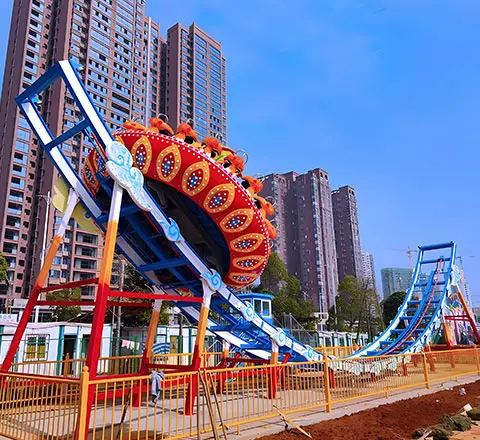


Starting an amusement park business can be an exciting opportunity—but it is also one of the most capital-intensive and operationally complex ventures in the leisure industry. Many projects fail not because the idea is bad, but because the planning, positioning, and execution are unrealistic.
This guide explains how to start up an amusement park in a practical, step-by-step way—covering park types, market research, investment planning, permits, design and construction, ride sourcing, staffing, and a realistic project timeline.
Step 1: Define What Kind of Park You Are Building
Before discussing budgets or ride lists, you must clarify the park model. “Amusement park” can mean very different businesses with different cost structures.
Common amusement park types
| Park Type | Typical Audience | Site Size | Investment Level | Key Revenue Drivers |
| Family amusement park | Families, local visitors | Small–medium | Low–medium | Tickets, food, parties |
| Thrill ride park | Teens, young adults | Medium–large | Medium–high | Gate + headline rides |
| Water park | Families, seasonal | Medium–large | Medium–high | Seasonal attendance |
| Indoor FEC / indoor park | Year-round local | Small | Low–medium | Membership, games, events |
| Destination theme park | Tourists, national | Large | Very high | Hotels, IP, multi-day spend |
A practical rule: If you don’t have strong institutional funding, avoid designing a “mini-Disney.” Start with a park model that matches your capital, team experience, and local demand.

Step 2: Research Your Market and Build a Realistic Demand Forecast
Most people underestimate how dependent parks are on drive-to, day-trip visitors. Unless you have a powerful brand or tourism ecosystem, your park lives or dies by local and regional demand.
What to research
- Population within 1–2 hours driving distance
- Tourism flow (if your park targets tourists)
- Competitors (parks, water parks, malls, FECs, seasonal festivals)
- Spending power and family structure
- Weather seasonality and operating months
What makes a location workable
- Reasonable access from a major city
- Limited direct competition with a stronger park nearby
- A supportive local government and feasible zoning rules
- Room for future expansion, parking, and infrastructure


Step 3: Estimate Amusement Park Startup Cost (CAPEX + OPEX)
A common mistake when opening an amusement park is focusing only on construction and ride purchase, while ignoring working capital and early-stage operating costs.
Typical cost structure (high-level)
| Category | What it includes |
| Land & site development | land, grading, roads, drainage, utilities |
| Construction & theming | buildings, landscaping, queue lines, signage |
| Rides & attractions | ride procurement, transport, installation |
| Safety & compliance | inspections, certifications, testing |
| Operations setup | staff hiring, training, uniforms, systems |
| Insurance & legal | liability insurance, legal fees |
| Marketing & opening | pre-opening campaign, launch events |
| Working capital | 6–24 months buffer depending on model |
For most amusement park projects, cash reserves matter as much as construction budget. A park often needs additional runway to survive seasonality, ramp-up periods, and unexpected delays.
Step 4: Run a Feasibility Study Before You Spend on Design
If you are serious about starting an amusement park, a feasibility study is not optional. It validates whether the project can attract enough visitors to justify the investment.
A credible feasibility study typically includes:
- Site comparison (2–3 candidate sites)
- Demand forecast and attendance scenarios
- Competitive positioning and differentiation strategy
- Rough master plan and capacity planning
- 5-year financial model (best/base/worst case)


Step 5: Write a Theme Park Business Plan That Investors Can Trust
A bankable business plan for an amusement park is more than a story. It must show that you understand the operational realities and cash-flow risks.
What your business plan should include
- Park positioning and target market
- Ticketing model (pay-per-ride vs wristband vs day pass)
- Ride mix strategy and capacity assumptions
- Marketing plan (pre-launch + first-year retention)
- Operating plan (staffing, maintenance, safety, guest flow)
- Financial projections (CAPEX, OPEX, revenues, cash flow)
Investors rarely fund “ideas.” They fund teams with a plan, realistic assumptions, and risk controls.
Step 6: Secure Funding and Structure the Project in Phases
Many successful theme park businesses start with a phased approach:
- Phase 1: core attractions + essential facilities
- Phase 2: expansion rides + more theming + events
- Phase 3: major headline attractions or resort components
Funding options commonly used
- Equity investors (strategic partners, local groups)
- Bank loans (requires strong collateral and projections)
- Government support (varies by region)
- Joint ventures with real estate or tourism developers
Phasing reduces risk because it allows the park to prove demand before committing to the largest investments.

Step 7: Plan the Amusement Park Layout and Guest Flow Early
Even a small kids park needs professional layout planning. Poor guest flow causes:
- bottlenecks near popular rides
- lower spend in retail and food areas
- worse guest satisfaction, and repeat visits
One of the earliest planning steps is defining the park layout and zoning. Learn more about theme park zoning design here.
Key amusement park layout considerations:
- clear entrance and visibility of major attractions
- restrooms and food distributed throughout the park
- logical circulation loop to reduce dead ends
- safety access routes for operations and emergency response
(See more: Amusement Park Layout: How to Plan a Fun and Efficient Park )
Step 8: Understand Permits, Licenses, and Safety Requirements
Permits and amusement park safety standards vary by country and region, but typical requirements include:
- business license and construction permits
- public entertainment or amusement operation license
- food and beverage permits (and alcohol, if applicable)
- fire safety approvals
- ride inspection requirements
- insurance documentation
Practical compliance checklist
- Confirm local ride inspection authority and schedule
- Ensure rides meet recognised standards (ASTM / EN where applicable)
- Prepare technical documentation and operation manuals
- Set up preventive maintenance procedures before opening


Step 9: Source Rides and Attractions With a Long-Term Operating View
Amusement park ride sourcing is where many projects either build a sustainable park or create long-term maintenance problems.
How to build a balanced amusement equipment mix
A common and effective approach is:
- Family anchors (carousel, trackless trains, bumper cars)
- Mid-thrill attractions (pirate ship, disco tagada ride, flying chair ride)
- 1–2 signature rides depending on budget (Ferris wheel, pendulum ride, mini roller coaster)
- Kids zone with multiple smaller attractions
- Food, games, and shaded rest areas to increase dwell time
Amusement Ride Manufacturer evaluation checklist (high impact)
When choosing amusement ride suppliers, ask:
- What certifications and safety standards are supported?
- Do you provide installation guidance and operator training?
- Are spare parts standardised and easy to source?
- What is the after-sales support model for overseas projects?
- Do you support planning and layout design?
A low purchase price can become expensive if the amusement ride design is hard to maintain or spare parts are difficult to obtain.
(See more: Top 10 Amusement Park Rides Manufacturers in China (2026) )


Step 10: Build the Team, Hire Staff, and Prepare for Operations
An amusement park is an operations-heavy business. Success depends on people and systems, not just rides.
Key roles you will need
- project manager (construction and delivery coordination)
- safety and maintenance lead
- operations manager (daily workflow)
- marketing lead (pre-launch and first-year growth)
- ride operators, security, cleaning, guest services
- medical/first aid and emergency response staff (as required)
Training and rehearsal should start before opening, not after.
Step 11: Plan a Realistic Timeline (How Long to Build an Amusement Park?)
“How long to build an amusement park?” depends on scale and complexity, but most projects follow a predictable sequence.
Typical timeline milestones
| Stage | Typical Duration |
| Concept + market research | 1–3 months |
| Feasibility study + business plan | 2–4 months |
| Site selection + permits (initial) | 2–6 months |
| Design + ride selection | 2–5 months |
| Construction + installation | 8–24 months |
| Testing + training + soft opening | 2–6 weeks |
A phased amusement park can open earlier if Phase 1 is designed to operate independently.

Common Mistakes When Starting an Amusement Park Business
Many new parks fail for reasons that are predictable and avoidable.
- Overestimating demand and building too big, too early
- Copying major destination parks without matching the budget and brand power
- Ignoring seasonality and underestimating cash reserves
- Weak differentiation in a competitive local market
- Poor supplier selection leads to high maintenance and downtime
- Rushing permits and safety preparation before opening
The best parks are built with realistic assumptions, staged growth, and strong operational discipline.
How to Start an Amusement Park Business With Lower Risk
If you want a practical path, consider:
- Start with a family-oriented park model
- Choose a location with clear local demand and limited competition
- build in phases instead of “all at once”
- Select amusement park ride suppliers who support planning, training, and long-term service
- budget for operations and working capital, not only construction
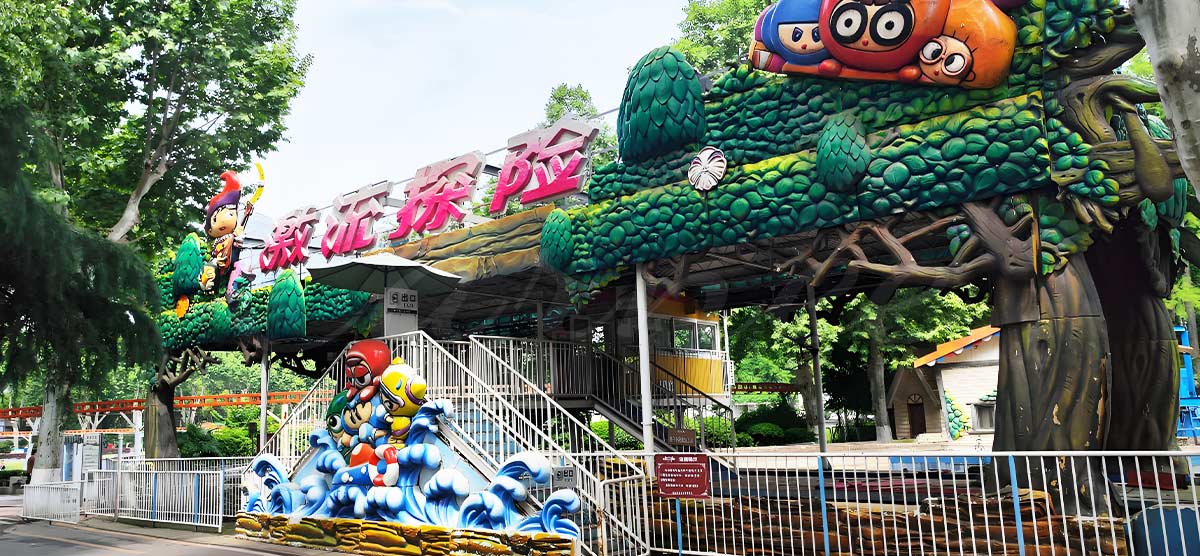
Next Step: Turn Your Concept Into a Buildable Park Plan
If you are planning a new amusement park project, the most effective starting point is to convert your concept into:
- a feasible ride mix
- a scalable master layout
- a realistic CAPEX/OPEX budget
- a timeline and compliance checklist
A qualified amusement ride manufacturer and project partner can support everything from planning and ride selection to production, installation, and after-sales service, which helps reduce risk and improve long-term operating stability.


