
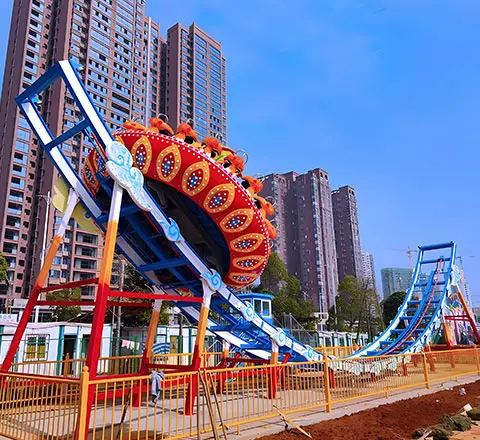


Choosing amusement rides for your park is not only about finding the most exciting machine or the lowest factory price. A good ride decision should match your target visitors, venue type, site space, budget, safety requirements, ride capacity, maintenance plan and expected return on investment.
If you want to choose amusement rides for your park with less risk, start with three practical questions: Who will ride them? Where will they be installed? How will each ride make money over time? A ride may look impressive in a catalog, but it may still be the wrong choice if it does not fit your visitor group, available space, power supply, local inspection rules or long-term operating budget.
As a China amusement ride manufacturer since 1998, Carnee Rides usually advises park investors to choose rides based on project data, not only appearance. A profitable park needs the right mix of thrill rides, family rides, kiddie rides, high-throughput attractions and reliable after-sales support.
This guide explains how to compare amusement ride types, costs, safety, ROI, site requirements and manufacturer capability before making a purchase.
Quick Answer: How Do You Choose the Right Amusement Rides?
The best way to choose amusement rides for your park is to match each ride to your visitors, venue type, available space, budget, safety documents, operating capacity and payback period.
| Factor | What to Check | Why It Matters |
| Target visitors | Children, families, teenagers, adults, tourists | Different groups prefer different ride experiences |
| Venue type | Indoor FEC, outdoor park, scenic spot, theme park, carnival | Each venue needs a different ride mix |
| Site space | Equipment footprint, safety clearance, queue area | Prevents overcrowding and installation problems |
| Budget | Equipment, shipping, foundation, installation, spare parts | Helps avoid hidden cost surprises |
| Safety | Structure, restraints, electrical system, manuals, inspection | Reduces operation risk |
| Capacity | Seats, loading time, cycle time, hourly throughput | Affects queue time and revenue |
| Maintenance | Spare parts, daily checks, downtime risk | Protects long-term operation |
| Manufacturer support | Factory capability, drawings, installation guidance, after-sales | Makes the project easier to execute |
A stable amusement park is rarely built with only one type of ride. Most successful projects use a balanced mix of visual anchor rides, family-friendly attractions, children’s rides and fast-turnover equipment.


Match Amusement Rides to Your Target Visitors
The right amusement ride depends first on who will use it. Children, families, teenagers, adults and scenic tourists are attracted by different ride experiences.
Rides for Children
Children need rides that are colorful, gentle, easy to understand and safe to operate. The ride height, speed and motion should be suitable for younger riders, while the design should attract both children and parents.
Suitable options include:
- Mini carousel
- Self-control plane
- Mini track train ride
- Kiddie flying chair ride
- Small bumper cars
- Mini pirate ship rides
- Small roller coasters
- Mini Ferris wheel
Kiddie rides work well in children’s parks, shopping malls, indoor family entertainment centers and small family amusement areas. They usually need less space and are easier to operate than large thrill rides.
Rides for Families
Family visitors are valuable because they include both children and adults. They usually prefer rides that are fun, safe, easy to board and suitable for shared experiences.
Good choices include:
- Ferris wheel
- Merry-go-round
- Trackless train
- Bumper cars
- Swing amusement ride
- Coffee cup ride
- Moderate pirate ship
- Family roller coaster
Family rides help parks increase repeat visits because they are not limited to one age group. If your project targets broad visitor groups, you can review our family rides for sale for suitable equipment ideas.
Rides for Teenagers and Adults
Teenagers and young adults are more likely to choose thrill rides. They want height, speed, rotation, drop sensation and strong visual impact.
Suitable options include:
- Frisbee ride
- Large Pirate ship
- Drop tower rides
- Large Roller Coaster
- Frisbee ride
- Top spin ride
- Go karts
- Tagada disco ride
Thrill amusement park rides are useful for building park identity. A large pendulum ride, Ferris wheel or drop tower ride can become a visual landmark, but these rides also need more careful planning for foundation, safety clearance, power demand and maintenance.
Amusement Rides for Scenic Spots and Resorts
Scenic spots and resorts need rides that improve visitor stay time and photo value. The ride should support the tourism experience, not only provide short-term excitement.
Suitable options include:
- Ferris wheel
- Sightseeing car
- Trackless train
- Flying chair ride
- Carousel
- Family rides
- Moderate thrill rides
For scenic projects, visual value matters. A ride that becomes part of the landscape can improve photo sharing, visitor flow and secondary spending.

What Are the Main Types of Amusement Rides?
Understanding the main types of amusement rides helps you build a balanced park layout. A strong ride mix should cover different intensity levels, visitor groups and operating purposes.
| Ride Type | Examples | Best For |
| Thrill rides | Pendulum ride, pirate ship, Sky Flyer Ride, roller coaster | Teenagers, adults, and landmark attractions |
| Family rides | Ferris wheel, carousel, swing ride, bumper cars | Broad visitor groups and stable traffic |
| Kiddie rides | Mini train ride, self-control plane, mini carousel | Children’s parks and family zones |
| Rotating rides | Carousel, flying chair ride, disco ride, coffee cup ride | Repeat play and strong visibility |
| Transport rides | Trackless train, rail train, sightseeing train | Scenic routes and park transport |
| Indoor amusement rides | Bumper cars, kiddie rides, mini carousel | FECs, malls and commercial complexes |
| Carnival rides | Portable rides, small pirate ship, mobile carousel | Fairs, events and temporary operations |
| Water park rides | Water play rides, splash attractions | Resorts, summer parks and water zones |
| Mobile amusement rides | Trailer-mounted rides, portable carousels, mobile trains | Carnivals, rentals and short-term events |
| Unpowered amusement equipment | Climbing structures, slides, and playground equipment | Children’s parks and mixed activity zones |
This is why a park should not be planned by product photos alone. Start with visitor groups and business goals, then choose the ride categories that support them. For a broader product reference, browse our amusement rides for sale catalog.


Choose Amusement Rides Based on Venue Type and Site Space
A ride that works well in an outdoor amusement park may not be suitable for an indoor FEC or shopping mall. Site size, ceiling height, ground condition, power supply, visitor flow and safety clearance should be checked before choosing equipment.
| Venue Type | Recommended Ride Mix |
| Indoor FEC / Shopping Mall | Kiddie rides, bumper cars, mini carousel, mall train ride |
| Small Outdoor Park | Carousel, trackless train, bumper cars, mini pirate ship ride |
| Scenic Spot / Resort | Ferris wheel, sightseeing car, flying chair ride, family rides |
| Theme Park | Ferris wheel, pendulum ride, pirate ship ride, roller coaster, family rides |
| Carnival / Fairground | Portable rides, carousel, small thrill rides |
| Children’s Park | Kiddie rides, self-control plane, mini trackless train, small carousel ride |
| Community Park | Durable family rides, low-maintenance equipment |
Indoor Amusement Park Projects
Indoor projects need compact equipment, controlled noise, suitable ceiling height and smooth visitor flow. Popular indoor amusement rides include bumper cars, trackless mall trains, small carousels and kiddie rides.
The key is not to fill every square meter with equipment. Indoor projects also need safe walkways, parent waiting areas, ticket counters, storage space and emergency exits.
Outdoor Theme Parks
Outdoor parks have more room but face weather, ground condition and civil construction issues. Larger rides may need reinforced foundations, anti-corrosion treatment, drainage, fencing and crane access.
Outdoor projects can use a wider ride mix, including pirate ships, Ferris wheels, pendulum rides, flying chair rides, Mega Disko Rides and bumper cars.
Scenic Spots and Resorts
Scenic spots should choose rides that improve the visitor journey. A Ferris wheel or sightseeing train ride can become part of the attraction experience, while moderate thrill rides can add excitement without breaking the tourism atmosphere.

Small vs Large Amusement Rides: Which Is Better for Your Park?
Small and large amusement rides serve different business purposes. A stable park usually needs both.
Small Amusement Rides
Small amusement rides are easier to install, easier to maintain and more flexible for limited spaces.
They are suitable for:
- Shopping malls
- Indoor FECs
- Children’s parks
- Community parks
- Small outdoor projects
- Investors with limited budget
Common options include kiddie rides, mini carousels, small bumper cars, mini trains, coffee cup rides and self-control planes.
Small rides usually have lower purchase cost and faster setup. They may not become a park landmark, but they can generate steady daily revenue when placed in the right location.
Large Amusement Rides
Large amusement rides create stronger visual impact and can help attract visitors from outside the park.
They are suitable for:
- Theme parks
- Large scenic spots
- Resorts
- Outdoor amusement parks
- Projects targeting teenagers and adults
Common options include Ferris wheels, pendulum rides, large pirate ships, roller coasters and drop tower rides.
Large rides can improve the park image, but they also bring higher foundation cost, installation cost, inspection requirements, power demand and maintenance pressure.
The Best Park Usually Needs a Mixed Ride Plan
The best park is not all large rides or all small rides. A more practical ride mix often includes:
- One or two visual anchor rides
- Several family rides
- A children’s ride zone
- Fast-turnover rides
- Photo-friendly attractions
- A clear walking and queue layout
Large amusement rides bring attention. Small and family rides bring repeat use and daily cash flow. The right combination is more important than the biggest single attraction.
Example Ride Mix for Different Park Projects
A practical ride plan should match the project scale, visitor type and investment stage. Below are common examples from a manufacturer’s planning perspective.
| Project Type | Suggested Ride Mix | Planning Logic |
| Small starter park | Carousel, bumper cars, kiddie rides, small mall train ride | Lower investment, easier operation, faster setup |
| Indoor FEC | Bumper cars, mini carousel, self-control plane, kiddie rides | Compact footprint, year-round operation, family traffic |
| Scenic area upgrade | Ferris wheel, sightseeing train, flying chair ride, carousel | Better photo value, longer stay time, smooth visitor flow |
| Outdoor family park | Trackless train, bumper cars, pirate ship, carousel, kiddie zone | Balanced visitor coverage and stable revenue |
| Thrill-focused park | Pendulum ride, pirate ship, drop tower, go karts, family rides | Strong visual identity with supporting family attractions |
| Carnival project | Portable carousel, Portable Mini Pirate Ship, trailer-mounted rides, bumper cars | Easy transport, flexible installation, short-term operation |
A new investor does not need to buy every ride at once. Many projects can start with high-utilization rides first, then add larger visual attractions after the visitor flow becomes more stable.

How to Choose Amusement Rides on a Limited Budget
A limited budget does not mean choosing the cheapest rides. It means choosing rides with the best balance of visitor appeal, safety, durability and long-term operating cost.
Before buying, divide your budget into four parts:
| Budget Area | What It Covers |
| Core amusement rides | Main attractions that bring visitors |
| Supporting amusement rides | Smaller rides that improve capacity and repeat play |
| Site work | Foundation, flooring, fencing, power and drainage |
| Operation reserve | Spare parts, maintenance, staff training and emergency budget |
If your budget is limited, start with high-utilization rides. Bumper cars, trackless trains, carousels, kiddie rides and small family rides are often easier to operate than large thrill rides.
Avoid buying a ride only because it looks popular online. A popular amusement ride may not be profitable in your park if it does not match your visitors, space, budget and maintenance ability.
How Much Do Amusement Rides Cost?
Amusement ride cost depends on ride type, size, seat capacity, structure, drive system, materials, safety system, customization, shipping and installation requirements.
The purchase price is only one part of the project. Real cost should be calculated as:
Total Project Cost = Equipment Price + Shipping + Foundation + Installation + Inspection + Training + Spare Parts + Maintenance
| Cost Item | Why It Matters |
| Equipment price | Main ride cost based on type, size and configuration |
| Shipping | Large rides may need multiple containers or special transport |
| Foundation | Bigger rides need stronger civil work |
| Installation | Crane, labor, tools and commissioning may add cost |
| Inspection | Local approval and safety documents may be required |
| Training | Operators need correct loading, operation and emergency procedures |
| Spare parts | Reduces downtime during peak season |
| Maintenance | Protects ride life and long-term revenue |
A low purchase price can become expensive if the ride has high energy use, poor spare parts support or frequent downtime.

Safety and Compliance Should Come First
Safety should not be treated as a selling point. It is the basic requirement for every commercial amusement ride.
A safe amusement ride depends on the full system:
- Structural design
- Material selection
- Welding quality
- Restraint system
- Electrical protection
- Emergency stop
- Braking system
- Factory testing
- Installation quality
- Operator training
- Daily inspection
- Maintenance schedule
Buyers should ask for technical drawings, operation manuals, maintenance manuals, electrical documents, inspection records and local compliance support before ordering.
ASTM F2291 is intended to provide designers, engineers, manufacturers, owners and operators with criteria and references for designing amusement rides and devices. CEN also explains that EN 13814-2 focuses on safe maintenance, operation, control and testing of amusement rides and amusement devices.
Safety requirements vary by country, so buyers should always confirm local inspection rules before ordering. For a deeper checklist, read our guide to amusement ride safety standards and regulations. Do not rely on a certificate image alone. Ask the supplier to explain how the ride is designed, tested, installed and maintained.
How to Estimate Capacity, Throughput and ROI
A ride should be evaluated as an investment, not just as equipment. Capacity and throughput affect revenue directly.
Key Terms
Capacity means how many riders the equipment can carry per cycle.
Throughput means how many riders the equipment can serve per hour.
ROI means how long it takes to recover the investment through net profit.
A simple calculation is:
Daily Revenue = Ticket Price × Daily Riders
Monthly Net Profit = Monthly Revenue – Monthly Operating Cost
Payback Period = Total Investment ÷ Monthly Net Profit
For example, a ride with high capacity and short loading time may earn more per square meter than a larger attraction with lower hourly throughput. This is why bumper cars, trains and family rides often perform well in parks with steady traffic.
A premium anchor attraction may take longer to recover its cost, but it can still be valuable if it increases gate traffic, brand visibility and repeat visits. To compare different ride options more clearly, you can use an amusement park ride ROI calculation before making a final purchase decision.
Consider Energy Use, Accessibility and Long-Term Operation
A good ride plan should not only focus on purchase price and appearance. Energy use, accessibility and daily operation also affect long-term performance.
Energy Use
Electricity cost can become a long-term operating expense, especially for large mechanical rides. Before buying, ask the manufacturer about rated power, operating power, drive system and expected daily energy use.
Energy-efficient motors, LED lighting and reasonable operating schedules can help reduce running costs.
Accessibility
A park should be comfortable for different visitor groups. When planning the ride area, consider:
- Clear walking paths
- Parent waiting areas
- Wheelchair-friendly routes where possible
- Easy-to-read signs
- Safe boarding and exit zones
- Space for staff supervision
Accessibility is not only about compliance. It also improves visitor experience and helps families move through the park more smoothly.
Maintenance Convenience
Some rides look attractive but are difficult to maintain. Before buying, check whether wear parts are easy to replace, whether the manufacturer can supply spare parts, and whether your operators can perform daily checks without complex tools. For a more detailed checklist, read our amusement park ride maintenance guide.
A ride that is easy to inspect, clean and maintain usually creates fewer operation problems over time.
Do Not Choose a Ride Only Because It Looks Popular
An amusement ride that looks popular online may not be profitable in your park if it does not match your visitors, space, budget and maintenance ability.
Common mistakes include:
- Buying a large thrill ride for a family-focused park
- Choosing low-price equipment without checking safety documents
- Ignoring foundation and installation cost
- Forgetting power supply requirements
- Overcrowding the site with too many rides
- Buying trendy rides without maintenance support
- Choosing suppliers that cannot provide spare parts
A good ride should be attractive, safe, durable and practical to operate. If it only looks exciting but creates high maintenance pressure or poor visitor fit, it is not a good investment.
How to Choose a Reliable Amusement Ride Manufacturer
A reliable amusement ride manufacturer should help you make the right project decision, not simply sell the largest or cheapest machine.
Check Real Factory Capability
Ask for real production photos and videos. Look for welding, painting, assembly, testing and packaging processes.
A professional manufacturer should be able to show:
- Factory workshop
- Steel structure production
- Fiberglass molding
- Painting process
- Electrical assembly
- Final testing
- Packing and loading
Ask for Technical Documents
Before placing an order, ask for:
- Technical drawings
- Foundation reference drawings
- Electrical documents
- Operation manual
- Maintenance manual
- Packing list
- Spare parts list
- Installation guidance
These documents help your local engineer, installer and operator understand the ride before delivery.
Check Project Cases
Real project cases show whether the manufacturer has delivered similar rides before.
Ask for:
- Similar ride photos
- Installation videos
- Customer feedback
- Export experience
- Projects in similar climates or regions
- After-sales examples
A supplier with real operating cases can usually give better advice than a supplier that only shows catalog images.
Confirm After-Sales Support
After-sales service matters because ride operation continues for years after delivery.
Confirm:
- Warranty terms
- Spare parts supply
- Remote technical support
- Installation guidance
- Operator training
- Maintenance advice
- Response time
Low price is not useful if the ride stops during peak season and no one can provide parts or support.
Why Choose Carnee Rides for Amusement Park Equipment?
Carnee Rides is a China amusement ride manufacturer founded in 1998. We provide one-stop amusement park solutions from overall park planning and ride selection to customized manufacturing, delivery, installation guidance and after-sales support.
Our product range includes:
- Ferris wheels
- Pirate ship rides
- Pendulum rides
- Carousels
- Flying chair rides
- Bumper cars
- Trackless trains
- Self-control planes
- Tower rides
- Go karts
- Kiddie rides
- Family rides
- Thrill rides
Carnee Rides supports OEM and ODM customization for different park themes, colors, layouts and visitor groups. With 2,000+ successful cases and exports to 120+ countries and regions, our team can help investors choose amusement rides that fit the site, budget, target visitors and operating plan.
Based on different project types, Carnee Rides can help buyers compare ride mix, site layout, power requirements, shipping method, installation guidance and long-term spare parts support before purchase.
If you are building a new park, Carnee Rides can suggest a practical ride mix based on your site size, target visitors and budget. Existing parks can use our support to upgrade old equipment or add higher-ROI attractions. Scenic spots and resorts can also choose rides that improve visitor flow, increase photo value and extend visitor stay time.
What Information Should You Provide Before Asking for a Quote?
A useful quotation needs project details. Before contacting a manufacturer, prepare:
- Country and project location
- Indoor or outdoor site
- Available site size
- Target visitors
- Preferred ride types
- Budget range
- Local voltage
- Expected opening date
- Custom theme or color needs
- Installation support needs
- Whether you need full park planning
With this information, Carnee Rides can recommend suitable amusement rides, estimate basic project requirements and provide a more accurate factory quotation.
Final Checklist Before Buying Amusement Rides
Use this checklist before confirming an order:
| Checklist Item | Question to Ask |
| Target visitors | Does this ride match your main visitor group? |
| Venue type | Is it suitable for indoor, outdoor, scenic or mobile operation? |
| Site size | Does the total space include ride footprint, clearance and queue area? |
| Power supply | Can your site support the required voltage and power load? |
| Ride mix | Does the park include family, kiddie, thrill and high-turnover rides? |
| Total project cost | Have you included shipping, foundation, installation and spare parts? |
| Safety documents | Can the supplier provide manuals, drawings and inspection support? |
| Maintenance | Are spare parts and technical support available after delivery? |
| ROI | Can the ride generate enough riders and revenue to justify the investment? |
| Manufacturer capability | Does the supplier have real factory production and project cases? |
If a ride fails several of these checks, it should not be selected only because the price looks attractive.
FAQ About Choosing Amusement Rides
Final Decision: Choose Amusement Rides as an Investment, Not Just Equipment
The right amusement rides can improve visitor experience, increase stay time and support long-term revenue. The wrong ride mix can create high maintenance cost, poor traffic flow and slow payback.
Before buying, compare target visitors, venue type, ride category, site space, total cost, safety documents, capacity, ROI and manufacturer support.
Carnee Rides can help you choose amusement rides for your park based on real project needs. Send us your location, site size, target visitors, budget and preferred ride types. Our team will recommend a suitable ride mix and provide a customized factory quotation.


