Roller coasters are among the most thrilling amusement park rides, delivering a rush of excitement with their high speeds, sudden drops, and sharp turns. However, many riders often ask themselves: “How can I be sure I won’t fly off the track with all that speed?” After all, roller coasters can exceed speeds of 100 km/h, and it’s understandable to wonder how such extreme experiences are safe.
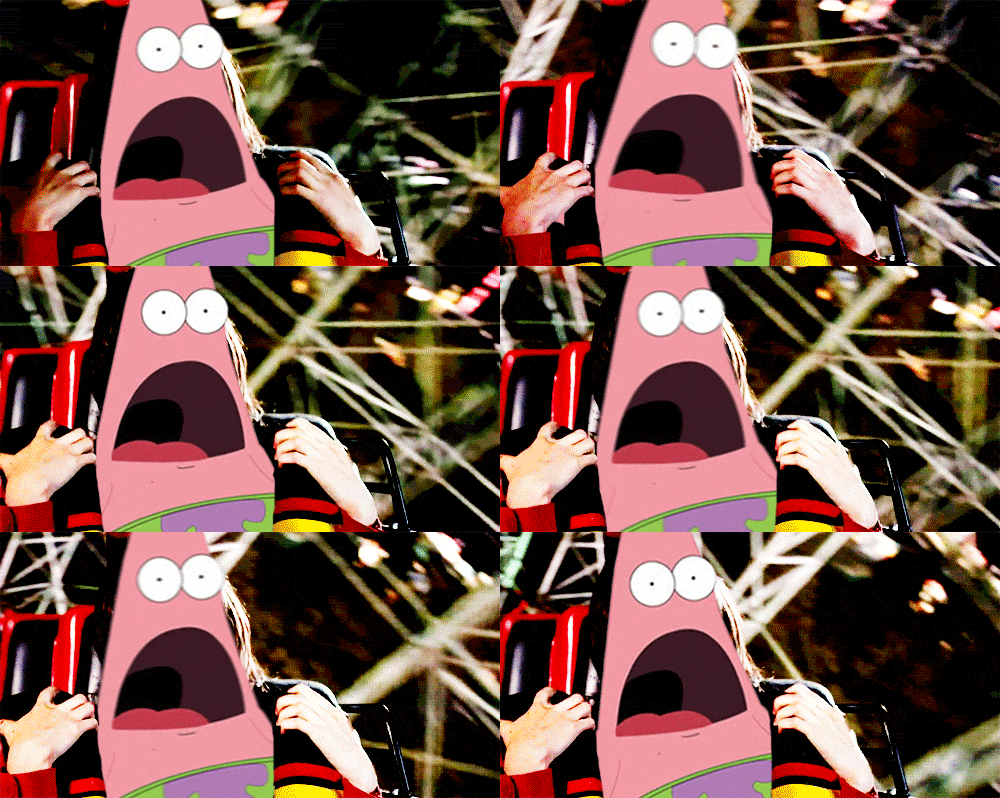
Rest assured, roller coasters are equipped with multiple safety features that ensure a safe ride for every visitor. Let’s explore the key safety mechanisms that keep you secure while enjoying the thrill.
(See more: Top 10 Thrill Rides in the World)
First Layer of Roller Coaster Safety Features: Acceleration – The Power of Newton’s Laws
“Newton’s Laws to the Rescue”
Unlike traditional amusement park rides, roller coasters have no built-in engine. Instead, they use mechanical devices like chains and steel cables to pull the train up to a high point or magnetic launch systems to propel it forward with instant force. This provides the coaster with the necessary initial momentum. (See more: 25 Classic Carnival Rides That Never Go Out of Style)
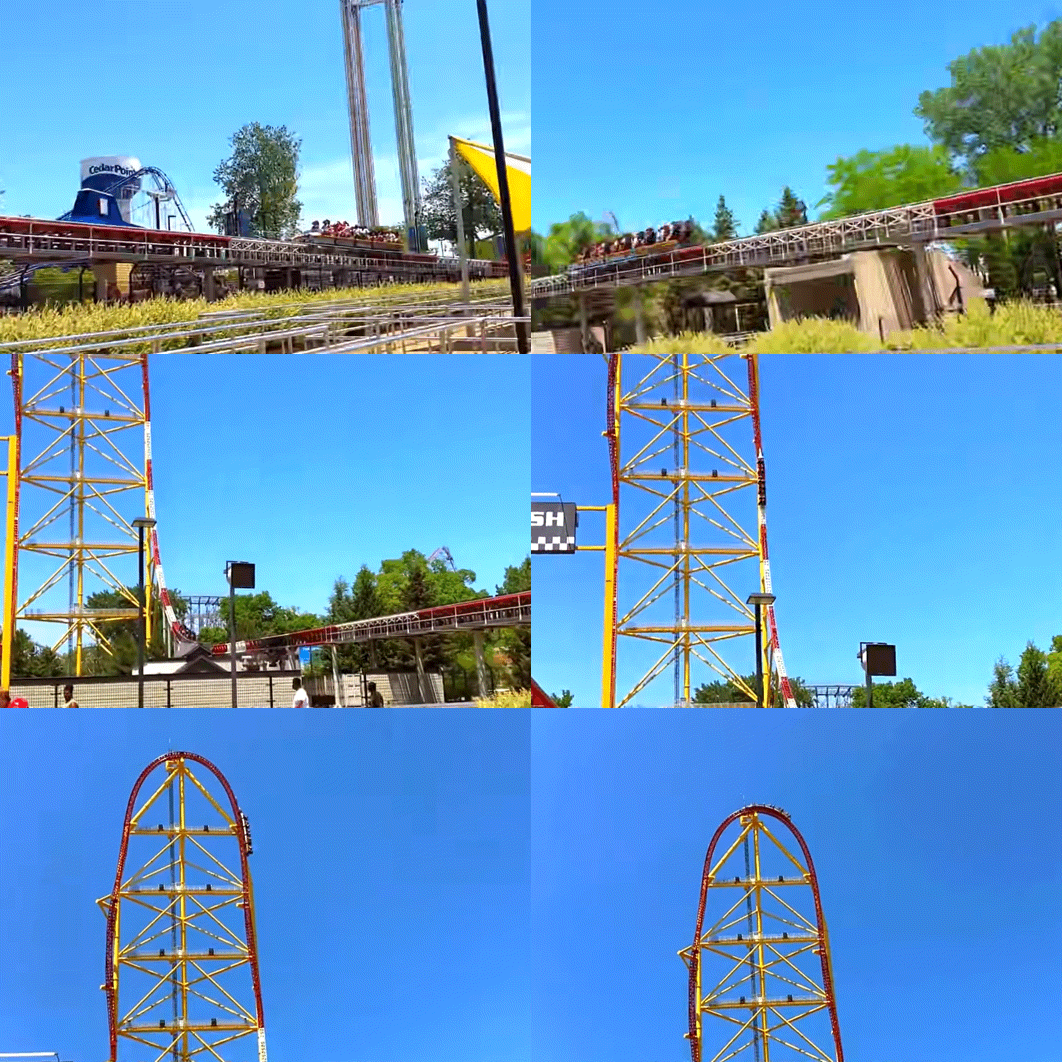
Once the train reaches the sliding zone, the track features a variety of thrilling designs—such as steep drops, loops, and inversions—that alter the speed and acceleration of the ride. The excitement largely comes from these changes in velocity. However, all these changes are kept within a safe threshold. The forces experienced by riders are well-balanced, ensuring the feeling of being securely “locked” into the seat at all times, even during intense changes in speed.
Second Layer of Roller Coaster Safety Features: The Wheel and Bogie System – Keeping the Ride Secure
“A Tight Grip on the Track”

Despite the varying designs of roller coasters, most of them share a common structure that includes bogies (the carriage that carries the train), wheels, and support beams. These components are designed to ensure that the train stays securely on the track, even during high-speed turns or inversions.
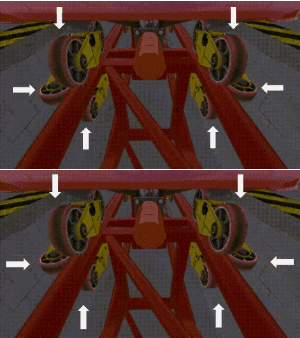
Key Components of the Wheel System
- Main Wheels: These wheels guide the coaster along the track, ensuring proper movement.
- Side Wheels: These wheels help the coaster navigate sharp turns without straying off course.
- Bottom Wheels: Essential during flips and inversions, the bottom wheels help control the direction and stability of the train.
Together, these wheels form a tight grip that ensures the train remains securely on the track throughout the ride.
Third Layer of Roller Coaster Safety Features: Safety Restraints – Keeping You Secure in Your Seat
“The Ultimate Protection for Your Safety”
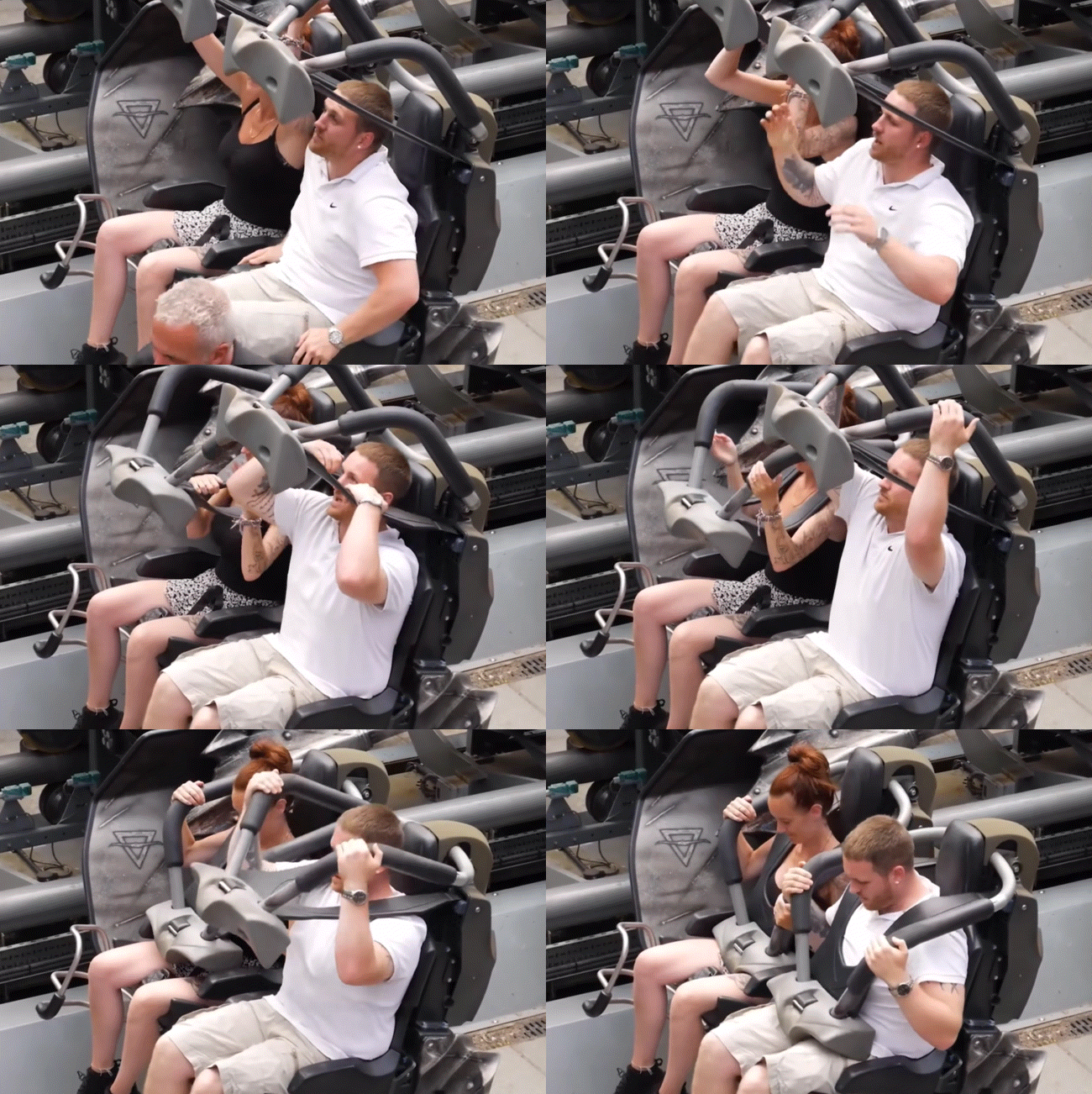
The most crucial safety feature on a roller coaster is its restraint system, designed to keep riders securely in their seats throughout the ride. Without these safety measures, the risk of riders being thrown from their seats would increase significantly.
There are various types of restraints based on the design of the ride:

Types of Restraints
- Chest and Shoulder Restraints: Commonly used on high-speed coasters, these restraints ensure that your chest and shoulders stay in place during loops and sharp turns.
- Back Restraints: Found on rides like Disney’s Tron Lightcycle Power Run, these restraints keep your back securely in place during extreme manoeuvres.
- Leg Restraints: Used on flying or suspended coasters, these keep riders from being ejected from their seats during flips.
The locking mechanisms on these restraints are designed to remain secure throughout the ride, ensuring riders are held safely in place.
Advanced Locking Mechanisms: Ensuring the Restraints Stay Secure
One of the most advanced safety features of roller coasters is the locking mechanism for restraints, which ensures that the safety bars or harnesses cannot be easily opened during the ride. Modern roller coasters commonly use rack-and-pinion locking systems, which automatically engage at the start of the ride and remain securely locked in place.
How the Locking Mechanism Works
- Rack-and-Pinion Systems: These systems use a gear mechanism (rack) and a locking claw (pinion) to securely lock the restraints. The system is designed to ensure that the restraints cannot be accidentally released or loosened during the ride.
These mechanisms are critical for maintaining rider safety, ensuring the restraints stay securely locked while riders experience the thrills.

Routine Maintenance and Inspections: Keeping Roller Coaster Safe
“Regular Inspections Make for a Safe Ride”
Even with these safety features, regular roller coaster maintenance and inspections are crucial to ensuring everything functions as it should. Daily checks are conducted on the track, wheels, restraints, and other safety systems before the ride opens for the day.
What Maintenance Involves:
- Track Inspections: Ensuring proper alignment and checking for any wear or damage.
- Restraint Systems: Verifying the proper function of locking mechanisms and restraints.
- Wheel and Bogie Checks: Ensuring that the wheels and bogies are functioning properly for a smooth and secure ride.
Routine checks prevent potential issues and ensure that each ride meets safety standards.
Conclusion: Roller Coaster Safety with Cutting-Edge Engineering
Roller coasters are designed to deliver excitement and thrill, but safety is always the top priority. The combination of track systems, wheel mechanisms, restraint designs, and advanced locking features ensures that riders can enjoy the ride without worrying about their safety. Regular inspections and maintenance further contribute to making sure that each ride remains secure.
So, next time you experience that adrenaline rush, remember: the safety features are working tirelessly to keep you safe, letting you enjoy the ride without any worries.
For more information on roller coaster safety and how these thrilling rides are engineered, check out our Roller Coaster FAQ Guide.
You may also like: How Do Roller Coasters Stay on Track?, Fun Facts About Roller Coasters: History, Records, and Science