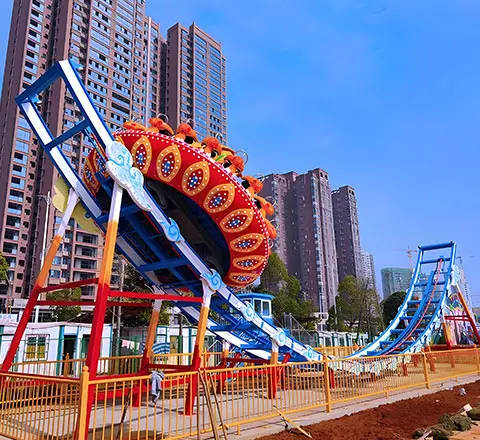


Drop tower rides are among the most thrilling and popular amusement park rides. Offering an exciting freefall experience, these carnival drop towers attract large crowds, but they also require meticulous care and attention to ensure safety and reliability. Regular maintenance is crucial to ensure that the drop tower operates smoothly, efficiently, and, most importantly, safely.
As a leading manufacturer of drop tower rides, Carnee Rides provides top-quality rides designed for longevity and reliability. In this guide, we will outline essential maintenance strategies to keep your drop tower in optimal condition, ensuring a safe and thrilling experience for your visitors.
Why Drop Tower Ride Maintenance is Crucial
Ensuring Visitor Safety
Free fall drop tower, due to their high-speed freefall motion, are among the most thrilling yet high-risk attractions. Any failure in the ride’s components—whether mechanical, hydraulic, or electrical—could pose serious safety risks. Regular maintenance and checks are essential to prevent malfunctions and ensure that all safety mechanisms, such as seat restraints, safety belts, and emergency systems, are functioning perfectly.
Extending the Lifespan of the Equipment
Routine free fall tower maintenance helps prevent premature wear and tear of the ride’s components, significantly extending its operational life. Proper care and timely repairs ensure that the ride can continue to operate safely and efficiently for many years, minimising the need for costly repairs or replacements.
Enhancing the Rider Experience
A well-maintained drop tower ride will provide a smooth, reliable, and thrilling experience for riders. Regular checks and maintenance of critical systems, such as the hydraulic system and the braking system, help preserve the ride’s performance, ensuring visitors get the same exciting experience every time.
Top 10 Maintenance Strategies for Drop Tower Rides
1. Hydraulic System Management
Hydraulic systems are a core component of drop tower rides, especially in the lifting and lowering mechanism. Here are key maintenance actions for hydraulic systems:
- Oil Analysis: Every 500 hours, take oil samples and analyze them for metal wear particles. Monitoring the oil’s condition helps predict potential issues with pumps or gearboxes.
- Sealing Monitoring: Using fibre optic sensors to monitor seal deformation in real-time is critical. Early detection of wear or leaks can prevent hydraulic pressure loss, especially in vertical cylinders.
2. Mechanical Structure Diagnostics
- Bolt Stress Monitoring: Use ultrasonic bolt stress devices to monitor key joints, such as the base of the tower and support frames. Consistently checking the torque values ensures no bolts have weakened, preventing the risk of structural failure.
- Crack Detection: Advanced technologies like acoustic emission testing are used to detect cracks in metal components before they become critical, ensuring early detection of fatigue.
3. Electrical System Protection and Testing
- Oxidation Prevention: Key electrical contact points, such as those in the control systems and motors, should be coated with silver to prevent oxidation. Regular inspection of electrical contacts helps avoid short circuits or power failures.
- Insulation Monitoring: Using polarisation index testing to ensure electrical insulation is within acceptable limits is essential for preventing electrical failures during operation.
4. Motion System Calibration
- Track Alignment: Regular checks using laser alignment systems can ensure that the drop tower’s tracks are precisely aligned, reducing friction and wear on critical components, such as gears.
- Brake System Testing: Perform routine checks on the brake system, including testing the brake response time and ensuring the braking mechanism is functioning correctly in emergency situations.


5. Lubrication and Cleaning Management
- Regular Lubrication: Key moving parts such as drive shafts, hydraulic systems, etc., require regular lubrication to reduce friction and wear, ensuring smooth operation.
- Cleaning the Equipment: The equipment, both inside and outside, should be cleaned regularly, particularly hydraulic pipelines and electrical contacts, to prevent dust and oil from affecting performance.
6. Safety Mechanism Inspection
- Seats and Safety Belts: Regularly inspect seats, seat belts, and other safety devices to ensure they are securely fastened during operation and there is no loosening or damage.
- Emergency Stop Devices: Check emergency stop buttons and other safety devices to ensure they can respond quickly in case of an emergency.
7. Motor and Electrical Component Maintenance
- Motor Checks: Regularly check the operation of the motors, especially those used frequently, to ensure there is no overheating or abnormal noise.
- Electrical Wiring: Inspect electrical wiring for any signs of wear, ageing, or loose connections to prevent electrical failures.
8. Inspect Mechanical Wear Parts
- Drive System: Regularly inspect components of the drive system, including gears, belts, and chains, to ensure they are not worn out or loose.
- Guide Tracks and Elevation Systems: Periodically check the guide tracks and elevation system to ensure there is no deformation or irregular wear that could affect operation.
9. Automated Monitoring Systems
- Digital Twin Technology: Using a digital twin of the drop tower amusement ride to monitor live data such as pressure, temperature, and vibration can help predict potential failure points. This technology allows operators to take proactive measures before issues arise.
- Real-Time Fault Warning: Through smart monitoring systems, operators can track the condition of the equipment in real-time, predict potential failures, and provide warning signals to allow timely maintenance.
10. Regular Testing and Emergency Drills
- Routine Function Testing: Regularly perform functionality tests on the drop tower carnival ride, simulating various operating conditions to ensure that all systems function properly.
- Emergency Drills: Conduct emergency response drills, simulating power failure or mechanical failure situations to ensure the safety of staff and visitors in an emergency.


How Carnee Rides Supports Your Drop Tower Maintenance
As a leading amusement park ride manufacturer with over 20 years of experience, Carnee Rides is committed to providing high-quality thrill rides that stand the test of time. We don’t just stop at building world-class drop towers; we also offer ongoing support to help you maintain them efficiently.
Our comprehensive maintenance services include:
- Regular inspections and checks to identify wear and tear before they become critical.
- Training for your maintenance team on proper upkeep techniques and troubleshooting.
- Timely replacement of parts to ensure continued performance and safety.
- Expert consultation on optimizing your theme park ride’s lifespan and performance.
We understand the importance of keeping your rides in optimal condition. Carnee Rides is here to provide expert maintenance guidance and services tailored to your needs.
Frequently Asked Questions (FAQs)
Conclusion: Ensuring the Safety and Longevity of Your Drop Tower Ride
Drop tower rides are high-investment attractions that require careful and continuous maintenance to ensure they operate safely and efficiently. By following the maintenance strategies outlined in this guide, you can help extend the lifespan of your equipment, reduce operational downtime, and most importantly, ensure the safety of your guests.
For more information on general amusement park ride maintenance, refer to our Essential Guide to Amusement Park Ride Maintenance.
At Carnee Rides, we are committed to helping you maintain and operate your drop tower rides at their best. Our experience and expertise in the amusement ride industry make us the ideal partner for your equipment’s care and maintenance.