
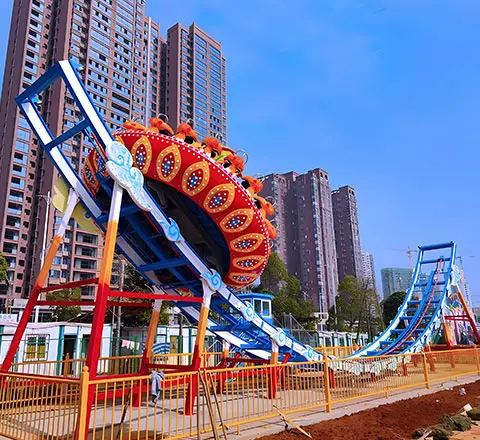


As a leading Chinese amusement park rides manufacturer, we understand the challenges amusement park owners and ride distributors face when it comes to ensuring the safety, efficient operation, and long-term stability of their rides. To help you better manage your amusement park equipment, we’ve compiled a comprehensive safety management guide. These measures not only ensure the safety of the rides during operation but also reduce equipment failure risks and improve the overall visitor experience.
While posting clear ‘Passenger Guidelines’ at the entrance is essential, true safety begins behind the control panel. To ensure visitors are protected before they even board, operators must be rigorously trained.
10 Tips for Amusement Park Safety: The Ultimate Operator Training Checklist
To guarantee amusement park ride safety, your operational staff and park administrators must work together flawlessly. Below are the 10 tips for amusement park safety that every operator should memorize and enforce daily. Use this as your internal staff training checklist:
For Managing Guests:
- Tip 1: Strictly Enforce Height and Health Restrictions. Never compromise. Verify height requirements precisely and advise guests with heart conditions or pregnancies to refrain from high-impact rides.
- Tip 2: Ensure Proper Use of Safety Restraints. Operators must physically check that lap bars, seatbelts, and over-the-shoulder harnesses are securely locked before dispatch.
- Tip 3: Maintain Orderly Queueing. Keep the boarding area clear of obstructions and manage crowd flow to prevent tripping hazards near the ride envelope.
- Tip 4: Mandate Safe Disembarking. Ensure guests remain seated until the ride comes to a complete, mechanical stop and operators give the verbal “all clear.”
For Equipment Operation:
- Tip 5: Operators Must Stay at Their Post. Once a cycle begins, operators must remain at the control booth and actively monitor the ride and guests at all times.
- Tip 6: Conduct Pre-Ride Visual Checks. Before the first dispatch of the day, run a complete empty test cycle to listen for abnormal vibrations and verify E-stop functionality.
- Tip 7: Never Tamper with Ride Control PLCs. If a ride stops mid-course or displays an error, operators must not attempt a manual bypass. Always contact technical maintenance.
- Tip 8: Understand Emergency Protocols (e.g., Code Yellow). Operators must know park-specific radio codes to report minor medical issues or technical holds without causing crowd panic.
- Tip 9: Secure the Booth When Leaving. Always shut off power or implement Lockout/Tagout (LOTO) procedures when the control booth is unattended to prevent accidental activation.
- Tip 10: Execute Daily Maintenance Logs. Operational safety starts before the park opens. Consistently log daily, weekly, and monthly safety checks to maintain equipment lifespan and ensure compliance.

Theme Park Administrator Code of Conduct: Comprehensive Safety Management
Park administrators ensure the overall safety of the amusement park, overseeing smooth operations and safety compliance. Their guidelines cover routine checks and emergency management.
- Designated Personnel: Every amusement park should have designated personnel, including a supervisor and operational staff, to manage daily safety operations.
- Regular Inspections: Supervisors must regularly check the rides and ensure they meet safety standards. They should maintain inspection records for at least three years.
- Training and Certification: Operators must receive professional training and certification to understand the ride’s operation and safety protocols.
- Incident Reporting and Emergency Response: Operators must report any malfunctions or unusual circumstances immediately. Supervisors must take prompt action to resolve issues.
- Weather Conditions: In adverse weather or equipment malfunction situations, administrators must implement emergency measures and notify visitors of any operational changes.
Emergency Response Plan: Quick Action in Case of Accidents
Amusement parks must be prepared for unexpected emergencies. Proper emergency equipment and a clear response plan ensure safety for both visitors and staff.
- First Aid Equipment: The park should provide first aid supplies and rescue facilities to handle emergencies effectively.
- Regular Drills: All staff members must participate in regular emergency drills to ensure they are familiar with procedures in case of a crisis.
Amusement Park Safety Protocols: Understanding Emergency Codes
Every well-managed theme park relies on standardized radio communication to alert staff without causing panic among guests. A frequent question regarding amusement park safety protocols is: what does code yellow mean in an amusement park?
Typically, a Code Yellow indicates a non-life-threatening situation that requires immediate attention. This could be a minor medical issue (like a guest experiencing motion sickness) or a non-critical technical fault that triggers the ride’s safety sensors to halt the cycle. When a Code Yellow is called, operators must secure the area and wait for authorized technicians. At Carnee Rides, our advanced control panels clearly display diagnostic error codes, helping maintenance teams resolve “Code Yellow” technical holds swiftly and resume safe operations.

Safety and Rescue Measures: Ride Inspections and Maintenance
Daily inspections and regular maintenance are critical for keeping rides in safe operational condition.
Regular Amusement Park Ride Maintenance
- Routine Safety Checks: All rides should undergo daily, weekly, and monthly safety checks to ensure they meet safety standards.
- Annual Overhaul: Operators must perform a thorough inspection and repair process on rides every year to maintain proper functionality.
- Equipment Lifespan Management: Rides must not be used beyond their safe operational lifespan. Operators should remove rides that show signs of wear or exceed their expected life.
Emergency Response for Adverse Weather Conditions
- Weather Monitoring: In severe weather (e.g., storms, strong winds), operators should stop the rides immediately and evacuate visitors to safety.
- Ride Malfunctions: If a ride experiences a malfunction or power failure, operators must activate emergency protocols and ensure the safety of visitors during repairs.
(See more: Pirate Ship Ride Safety Guide: What Every Park Owner Must Know, Roller Coaster Maintenance Guide)

FAQ: Frequently Asked Questions
Conclusion: Ensuring the Safe Operation of Amusement Park Rides
Ensuring the safety of amusement park rides not only protects visitors but also ensures smooth operation and long-term sustainability of the park. By following the safety measures outlined above, amusement park owners and operators can guarantee reliable operations, enhance the visitor experience, and reduce the likelihood of malfunctions.
As one of the top amusement park ride manufacturers in China, we are committed to providing high-quality rides and professional services worldwide. Whether for indoor or outdoor rides, we offer direct sales from the manufacturer, ensuring cost-effective and top-quality products. If you have any questions or concerns about amusement park rides, feel free to contact us—we are always here to assist you.


